
Contents
Overview
A baby bottle sterilizer is a crucial appliance for parents and caregivers, designed to eliminate harmful bacteria, viruses, and other microorganisms from baby bottles, nipples, pacifiers, and other feeding accessories. This process is vital for protecting infants, whose immune systems are still developing and are more susceptible to infections. Sterilization significantly reduces the risk of gastrointestinal illnesses and other health complications that can arise from contaminated feeding equipment. Modern sterilizers employ various methods, including steam, UV light, and boiling, to achieve a high level of sanitation. The choice of sterilizer often depends on factors such as convenience, speed, and the desired level of thoroughness. Regular sterilization is a cornerstone of safe infant feeding practices, providing peace of mind for parents and contributing to the overall well-being of their baby.
🍼 What is a Baby Bottle Sterilizer?
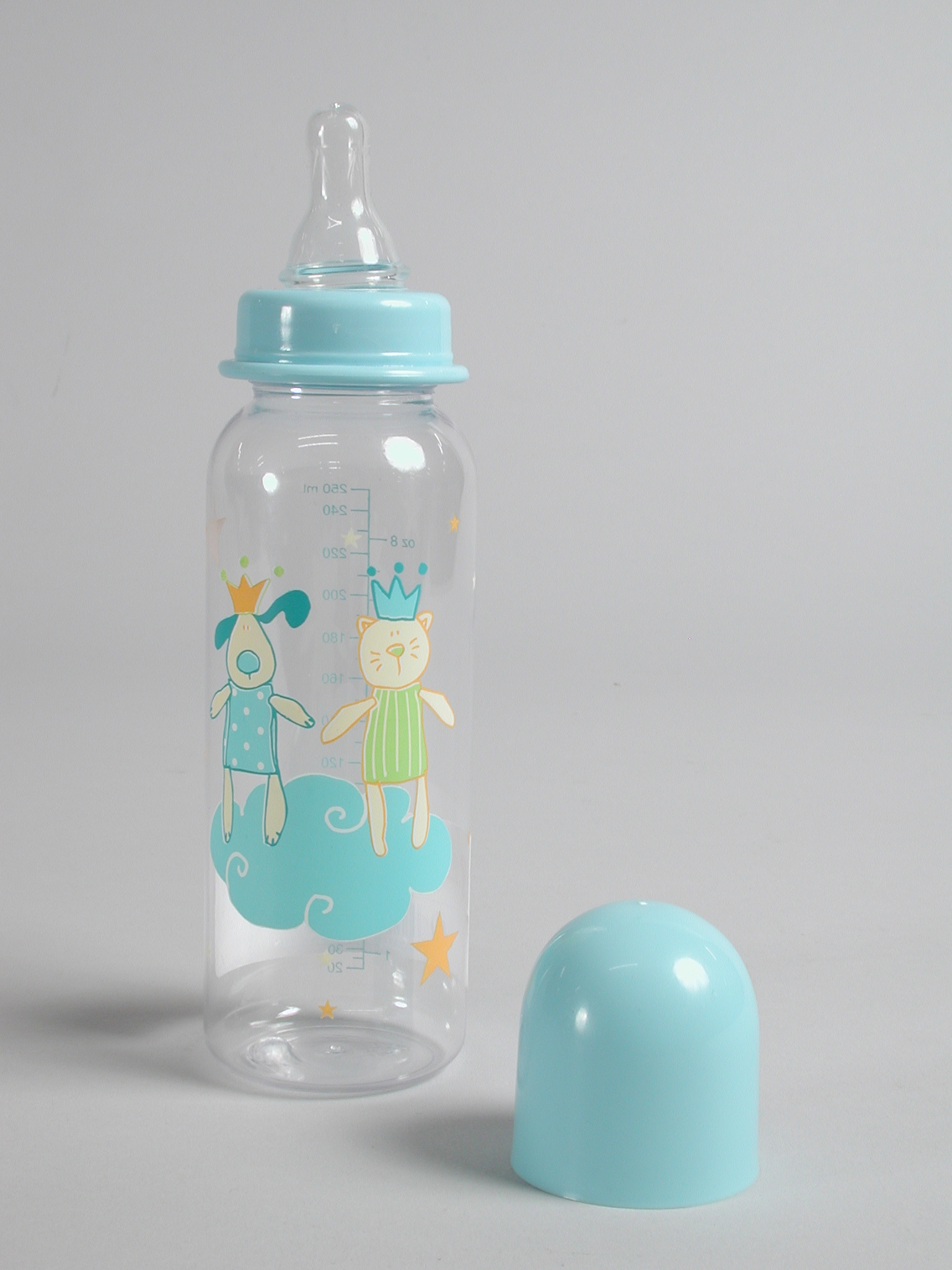
A baby bottle sterilizer is a dedicated device engineered to sanitize feeding equipment for infants. Its primary function is to eradicate germs that can cause illness in babies, whose immune systems are not yet fully mature. This includes eliminating bacteria, viruses, and fungi that may be present on bottles, nipples, pacifiers, and even small toys. By ensuring that these items are free from harmful pathogens, parents can significantly reduce the risk of their baby contracting infections, particularly those affecting the digestive system. The use of a sterilizer is a proactive measure in maintaining infant health and promoting a safe feeding environment.
♨️ How Do Sterilizers Work?
Sterilizers operate on the principle of creating an environment hostile to microorganisms. The most common method is steam sterilization, where boiling water produces steam that circulates within the sterilizer, reaching high temperatures (typically above 100°C or 212°F) that kill germs. Ultraviolet (UV) light sterilizers use specific wavelengths of UV radiation to damage the DNA of microorganisms, rendering them unable to reproduce and thus inactive. Some electric sterilizers combine steam with UV light for a dual-action approach. Regardless of the method, the goal is to achieve a germ-free state for all items placed inside.
💡 Types of Sterilizers
There are several types of baby bottle sterilizers available on the market, each with its own advantages. Steam sterilizers are widely popular for their effectiveness and relatively quick cycle times. UV sterilizers offer a chemical-free and often faster sterilization process, sometimes with added drying functions. Microwave sterilizers are a portable and cost-effective option, utilizing the microwave's power to generate steam. Some parents opt for boiling water on the stovetop, a traditional method that requires constant supervision. Each type caters to different needs regarding space, budget, and convenience.
✅ Benefits of Sterilization
The benefits of using a baby bottle sterilizer are numerous and directly impact infant health. Sterilization is the most effective way to ensure that feeding equipment is free from harmful pathogens, thereby preventing common infant illnesses like diarrhea, vomiting, and thrush. It provides parents with peace of mind, knowing they are taking all necessary steps to protect their baby's delicate immune system. Furthermore, consistent sterilization can help prevent the buildup of milk residue and potential mold growth within bottles, contributing to overall hygiene. This practice is especially crucial for premature infants or those with compromised immune systems.
🧼 Cleaning vs. Sterilizing
It's important to distinguish between cleaning and sterilizing. Cleaning involves washing bottles with soap and hot water to remove milk residue and visible dirt. While essential, this process does not kill all microorganisms. Sterilizing, on the other hand, is a process that eliminates or inactivates virtually all harmful germs. Therefore, bottles should always be thoroughly cleaned before being placed in a sterilizer. Sterilization is an additional step that ensures a higher level of hygiene, particularly for young infants who are more vulnerable to infections.
⏱️ When and How Often to Sterilize
The frequency of sterilizing baby bottles depends on the baby's age and health. For newborns and infants under three months old, it is generally recommended to sterilize bottles after every use, as their immune systems are still developing. As the baby gets older and their immune system strengthens, the need for sterilization may decrease, and thorough cleaning might suffice for older infants. However, if the baby is premature, has a weakened immune system, or has been ill, continuing to sterilize bottles is advisable. Always consult with a pediatrician for specific recommendations.
🛒 Choosing the Right Sterilizer
When choosing a baby bottle sterilizer, several factors should be considered. The type of sterilizer (steam, UV, microwave) will influence its features and price point. Consider the capacity of the sterilizer to hold multiple bottles and accessories. The speed of the sterilization cycle is also important for busy parents. Look for features like automatic shut-off, drying functions, and ease of cleaning. Portability can be a factor for parents who travel frequently. Reading reviews and comparing different models can help in making an informed decision that best suits your family's needs.
⚠️ Safety Precautions
Safety precautions are paramount when using any baby bottle sterilizer. Always follow the manufacturer's instructions carefully for both operation and cleaning. Ensure that the sterilizer is placed on a stable, heat-resistant surface, away from the reach of children. Be cautious of hot steam or surfaces, especially after a sterilization cycle. For steam sterilizers, allow them to cool down before opening. If using a UV sterilizer, avoid looking directly at the UV light. Proper maintenance and cleaning of the sterilizer itself are also crucial to prevent the buildup of mineral deposits or mold.
Key Facts
- Year
- 1950
- Origin
- Developed to address infant mortality and illness related to unhygienic feeding practices.
- Category
- Parenting & Childcare
- Type
- product
Frequently Asked Questions
Do I need to sterilize bottles if I use a dishwasher?
While dishwashers can clean bottles, they may not always reach the high temperatures required for effective sterilization. For infants under three months, premature babies, or those with weakened immune systems, it is generally recommended to sterilize bottles after washing, even if a dishwasher is used. Always check your dishwasher's capabilities and consult with your pediatrician.
How often should I replace my baby bottle sterilizer?
Baby bottle sterilizers are generally durable products. Replacement typically depends on wear and tear, the development of new features, or if the current unit is no longer functioning effectively. Regular cleaning and maintenance according to the manufacturer's instructions will prolong its lifespan. If you notice any damage or malfunction, it's best to replace it.
Can I sterilize things other than bottles?
Yes, most baby bottle sterilizers are designed to accommodate other items like nipples, pacifiers, bottle brushes, and even small toys that your baby might put in their mouth. Always check the manufacturer's guidelines to ensure the items you wish to sterilize are compatible with the specific sterilizer model.
What is the difference between sterilizing and disinfecting?
Sterilizing is a process that eliminates or inactivates all forms of microbial life, including spores. Disinfecting reduces the number of viable microorganisms to a safe level, but does not necessarily eliminate all of them. For baby feeding equipment, sterilization is the preferred method to ensure maximum safety for infants.
How long does a sterilization cycle typically take?
The duration of a sterilization cycle varies depending on the type of sterilizer. Steam sterilizers usually take between 6 to 15 minutes, plus cooling time. UV sterilizers can be much faster, often completing a cycle in 3 to 10 minutes, and may include drying functions. Microwave sterilizers are also relatively quick, depending on microwave power.