
Contents
Overview
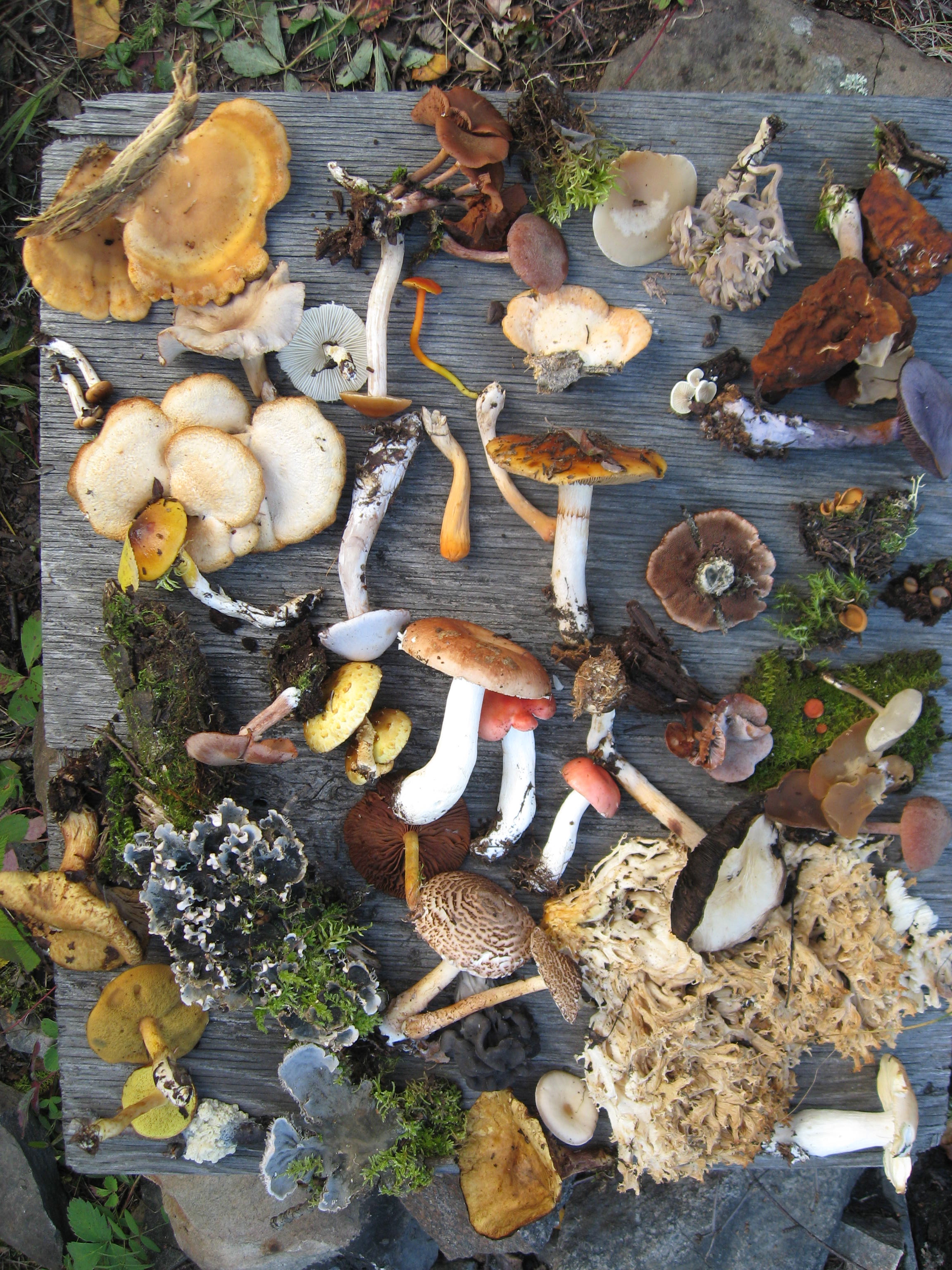
Biodiversity, a cornerstone concept in ecology, quantifies the astonishing variety of life on Earth. It encompasses genetic variability within species, the multitude of species themselves, and the diverse ecosystems they inhabit. This variability is not uniformly distributed; tropical regions, particularly rainforests, boast the highest concentrations of species due to favorable climates and productivity. Life's history on Earth, spanning 540 million years since the Cambrian explosion, has been punctuated by six major mass extinctions and numerous smaller events, each dramatically reshaping the planet's biological richness. Understanding biodiversity is crucial for ecological stability, resource management, and appreciating the intricate web of life.
🎵 Origins & History
The concept of biodiversity as a distinct field of study gained prominence in the late 20th century, though its roots trace back to early naturalists like Alexander von Humboldt, who observed and documented latitudinal gradients in species distribution during his expeditions in the late 18th and early 19th centuries. The term 'biodiversity' itself was popularized in the 1980s. Island biogeography, developed by Robert MacArthur and E.O. Wilson in 1967, provided foundational frameworks for understanding species richness and distribution patterns, laying the groundwork for the broader concept of biodiversity.
⚙️ How It Works
Biodiversity operates across multiple hierarchical levels. At the genetic level, it refers to the variation in genes within a single species, which is essential for adaptation and resilience. Species diversity is the most commonly understood aspect, counting the number of different species in a given area. Ecosystem diversity considers the variety of habitats, biological communities, and ecological processes, such as forests, wetlands, and coral reefs. These levels are interconnected; genetic diversity fuels species adaptation, species interactions shape ecosystem functions, and diverse ecosystems provide a wider range of habitats for species. For instance, the intricate relationships within a coral reef ecosystem, from microscopic plankton to large predators, exemplify this interconnectedness.
📊 Key Facts & Numbers
Globally, biodiversity is staggering, though the exact numbers are still being determined. Tropical rainforests are estimated to house a significant portion of the world's species. The Amazon basin is home to a vast number of known species. Marine biodiversity is equally vast, with oceans covering over 70% of the planet, yet much of this realm remains unexplored. Despite this richness, current extinction rates are reportedly much higher than the natural background rate, threatening the loss of millions of species by the end of the century.
👥 Key People & Organizations
Key figures in the study and advocacy of biodiversity include Edward O. Wilson, a renowned entomologist and conservationist who championed the concept. Sir David Attenborough has played a pivotal role in public awareness through his nature documentaries, bringing the wonders of biodiversity to global audiences. Organizations like the International Union for Conservation of Nature (IUCN) and the World Wildlife Fund (WWF) are critical in research, conservation efforts, and policy advocacy. The Convention on Biological Diversity (CBD) serves as a primary global framework for biodiversity conservation.
🌍 Cultural Impact & Influence
Biodiversity profoundly influences human culture, economics, and well-being. It provides essential ecosystem services such as pollination, water purification, climate regulation, and soil formation, underpinning agriculture and human health. The aesthetic and spiritual value of nature, often derived from its biodiversity, inspires art, literature, and tourism. For example, the vibrant colors and forms of tropical flora and fauna have influenced artistic movements, while the concept of 'biophilia,' popularized by E.O. Wilson, suggests an innate human connection to nature. The loss of biodiversity, conversely, can lead to economic instability and cultural erosion, particularly for indigenous communities whose livelihoods are directly tied to natural resources.
⚡ Current State & Latest Developments
As of 2024, biodiversity loss remains a critical global challenge. The Kunming-Montreal Global Biodiversity Framework sets ambitious targets, including protecting 30% of land and sea by 2030 (the '30x30' target). Despite these commitments, implementation faces significant hurdles, including funding gaps and political will. Emerging technologies like eDNA analysis are revolutionizing biodiversity monitoring, allowing scientists to detect species presence through trace genetic material in water and soil. However, the scale of habitat destruction, climate change, and pollution continues to exert immense pressure on ecosystems worldwide.
🤔 Controversies & Debates
Significant debates surround biodiversity conservation. One major controversy involves the prioritization of charismatic megafauna (like pandas or tigers) over less visually appealing but ecologically crucial species (like insects or fungi), a phenomenon sometimes termed the 'fluffy animal bias.' Another debate centers on the effectiveness and equity of conservation strategies, such as fortress conservation versus community-based approaches, and the potential for 'green gentrification' in protected areas. The economic valuation of biodiversity and ecosystem services also sparks debate, with differing methodologies and disagreements on how to assign monetary value to nature's contributions.
🔮 Future Outlook & Predictions
The future of biodiversity hinges on effective global action. Projections suggest that without significant intervention, extinction rates could accelerate further, potentially leading to a 'sixth mass extinction' event driven by human activities. However, optimistic scenarios envision a future where conservation efforts, coupled with sustainable development and technological innovation, can stabilize and even restore biodiversity. The success of initiatives like the 30x30 target and the widespread adoption of regenerative agriculture practices will be critical. Furthermore, advancements in synthetic biology and genetic engineering raise complex questions about their role in conservation, from de-extinction efforts to creating resilient species.
💡 Practical Applications
Biodiversity has numerous practical applications. In medicine, a significant portion of pharmaceuticals are derived from natural compounds found in plants, fungi, and microorganisms, with many more potential discoveries awaiting identification in unexplored ecosystems. Agriculture relies heavily on crop genetic diversity for breeding resilient varieties and on pollinators for food production. Ecotourism, a multi-billion dollar industry, thrives on the appeal of diverse natural landscapes and wildlife. Furthermore, understanding biodiversity is fundamental to ecological restoration projects, sustainable resource management, and developing nature-based solutions to climate change.
Key Facts
- Category
- nature
- Type
- concept