
Contents
- 🕌 What is the Blue Mosque?
- 📍 Location & Access
- ⏰ Visiting Hours & Best Times
- 💰 Admission & Tours
- ⭐ Visitor Experience & Etiquette
- 🏛️ Architectural Marvels
- 📜 Historical Significance
- ✨ Beyond the Blue Mosque: Nearby Attractions
- 💡 Practical Tips for Your Visit
- 📞 Contact & Planning Your Trip
- Frequently Asked Questions
- Related Topics
Overview
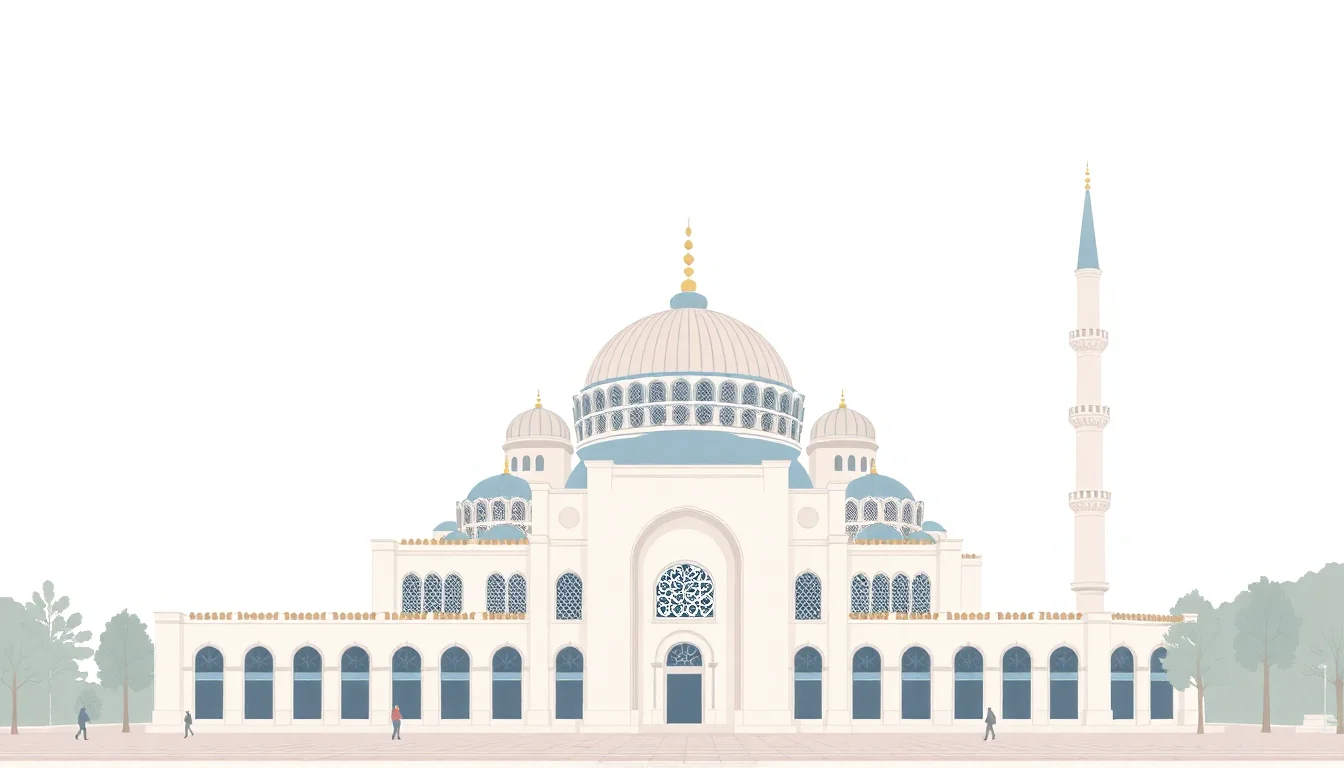
The Sultan Ahmed Mosque, commonly known as the Blue Mosque, is an iconic imperial Ottoman mosque in Istanbul, Turkey. Completed in 1616, it's famed for its stunning cascade of domes and six slender minarets, a design that broke with tradition. Its interior is adorned with over 20,000 hand-painted blue Iznik tiles, giving the mosque its popular name and a breathtaking, ethereal glow. Commissioned by Sultan Ahmed I, its construction aimed to rival the Hagia Sophia and assert Ottoman power. Today, it remains a functioning mosque and one of Istanbul's most visited landmarks, drawing millions who marvel at its scale, intricate tilework, and historical significance.
🕌 What is the Blue Mosque?
The Blue Mosque, officially known as the Sultan Ahmed Mosque, is one of Istanbul's most iconic landmarks. Commissioned by Sultan Ahmed I and built between 1609 and 1616, it's renowned for its stunning cascade of domes and six minarets. Its interior is famously adorned with over 20,000 hand-painted blue Iznik tiles, giving it its popular moniker. This active mosque offers a glimpse into Ottoman imperial architecture and Islamic artistry, serving as both a place of worship and a major tourist destination. It stands as a testament to the grandeur of the Ottoman Empire at its zenith.
📍 Location & Access
You'll find the Blue Mosque strategically located in Istanbul's historic Sultanahmet district, directly opposite the Hagia Sophia. Its address is Sultanahmet Camii, Sultanahmet Meydanı No:1, 34122 Fatih/İstanbul, Turkey. Getting there is straightforward; it's easily accessible by tram (the Sultanahmet stop is just a short walk away) or by taxi. The surrounding area is pedestrian-friendly, making it a central point for exploring other historical sites like the Hippodrome and the Topkapi Palace.
⏰ Visiting Hours & Best Times
The Blue Mosque is open to visitors daily, typically from 9:00 AM to 7:00 PM, but hours can vary due to prayer times, especially on Fridays. It closes for about an hour and a half during each of the five daily prayer times. For the best experience, aim to visit in the early morning or late afternoon to avoid the largest crowds and to appreciate the light filtering through the stained-glass windows. Remember that it is a functioning mosque, so respectful timing is crucial.
💰 Admission & Tours
Admission to the Blue Mosque is free for all visitors, reflecting its status as a place of worship. However, donations are gratefully accepted to aid in its upkeep. Guided tours are available, often led by knowledgeable local guides who can provide deep insights into its history and architecture. These tours typically have a fee, and booking in advance is recommended, especially during peak tourist seasons. Independent exploration is also perfectly fine, allowing you to absorb the atmosphere at your own pace.
⭐ Visitor Experience & Etiquette
As a place of worship, visitors are expected to dress modestly. This means covering shoulders and knees; women should also cover their heads, with scarves often available for loan or purchase near the entrance. Shoes must be removed before entering the prayer hall, and plastic bags are provided for carrying them. Maintaining a quiet and respectful demeanor inside is paramount. Photography is generally permitted, but avoid photographing worshippers during prayer.
🏛️ Architectural Marvels
The mosque's architecture is a masterpiece of Ottoman design. Its most striking feature is the interior, covered in over 20,000 hand-painted blue Iznik tiles, which give the mosque its name and create an ethereal ambiance. The central dome, supported by four massive semi-domes, is an engineering marvel, and the 260 stained-glass windows allow natural light to illuminate the intricate tilework. The exterior boasts a cascade of domes and six slender minarets, a design that was quite controversial at the time of its construction.
📜 Historical Significance
The Blue Mosque was built to rival the Hagia Sophia, which had been the principal imperial mosque of Istanbul for centuries. Sultan Ahmed I intended for his mosque to be even grander, though some historians argue it fell short in some aspects. Its construction marked a period of transition in Ottoman architecture, blending traditional Islamic styles with elements of the Byzantine tradition. It remains a powerful symbol of Istanbul's rich history and the enduring legacy of the Ottoman sultans.
✨ Beyond the Blue Mosque: Nearby Attractions
The Sultanahmet district is brimming with historical treasures. Just across the square, you'll find the awe-inspiring Hagia Sophia, a former church, mosque, and now museum. Explore the Hippodrome, once the sporting and social center of Constantinople, featuring ancient obelisks. The Basilica Cistern, an ancient underground water reservoir, offers a mysterious and atmospheric experience. Don't miss the Istanbul Archaeological Museums for a deep dive into the region's past.
💡 Practical Tips for Your Visit
To make the most of your visit, wear comfortable shoes as you'll be doing a lot of walking and standing. Check the prayer times online before you go to plan your visit accordingly and avoid disruption. Bring a scarf if you are a woman, or be prepared to borrow one. Consider visiting early in the morning to beat the crowds and experience a more serene atmosphere. If you're interested in a deeper understanding, opt for a guided tour.
📞 Contact & Planning Your Trip
Planning your visit to the Blue Mosque is straightforward. You can find general information and visitor guidelines on official tourism websites for Istanbul. For guided tours, many reputable local tour operators offer packages that include the Blue Mosque along with other Sultanahmet attractions. While there isn't a direct official website for visitor inquiries, local tourist information centers can provide assistance. Remember to check the latest opening hours and any specific regulations before your trip.
Key Facts
- Year
- 1616
- Origin
- Istanbul, Turkey
- Category
- Architecture & History
- Type
- Landmark
Frequently Asked Questions
Is the Blue Mosque still an active mosque?
Yes, the Blue Mosque is a fully functioning mosque and is open for daily prayers. This means it is closed to tourists for short periods during prayer times. Visitors should be mindful of worshippers and maintain a respectful atmosphere within the mosque at all times.
What is the dress code for visiting the Blue Mosque?
Visitors must dress modestly. This requires covering shoulders and knees. Women are required to cover their heads; scarves are usually available for loan or purchase at the entrance. Shoes must be removed before entering the prayer hall.
Is there an entrance fee for the Blue Mosque?
No, admission to the Blue Mosque is free for all visitors. However, donations are welcome and help support the mosque's maintenance and preservation efforts. Guided tours may have a fee.
When is the best time to visit the Blue Mosque?
To avoid the largest crowds and experience the mosque in a more serene setting, it's best to visit early in the morning, shortly after it opens, or in the late afternoon. Visiting outside of prayer times is also essential.
Can I take photos inside the Blue Mosque?
Photography is generally allowed inside the Blue Mosque, but it's important to be respectful. Avoid taking photos of people who are praying, and refrain from using flash photography, which can be disruptive.
How long does a typical visit to the Blue Mosque take?
A typical visit can last anywhere from 30 minutes to an hour, depending on how much time you spend admiring the architecture and tilework, and whether you opt for a guided tour. Allow extra time if you visit during peak hours.