
Contents
Overview
The lineage of electronic music festivals can be traced back to early 20th-century experimental music gatherings and the burgeoning use of electronic instruments in avant-garde compositions. Events like the Sunrise Festival in the UK and underground parties in Detroit and Chicago, fueled by genres like house and techno, laid the groundwork. These early raves, often held in warehouses or open fields, prioritized communal experience and the DJ as a central curator of sound. The Love Parade grew into a massive public celebration of electronic music, demonstrating the genre's mainstream appeal. The subsequent decades saw a proliferation of festivals, from niche gatherings to colossal productions like Tomorrowland and Ultra Music Festival, solidifying their place in global culture.
⚙️ How It Works
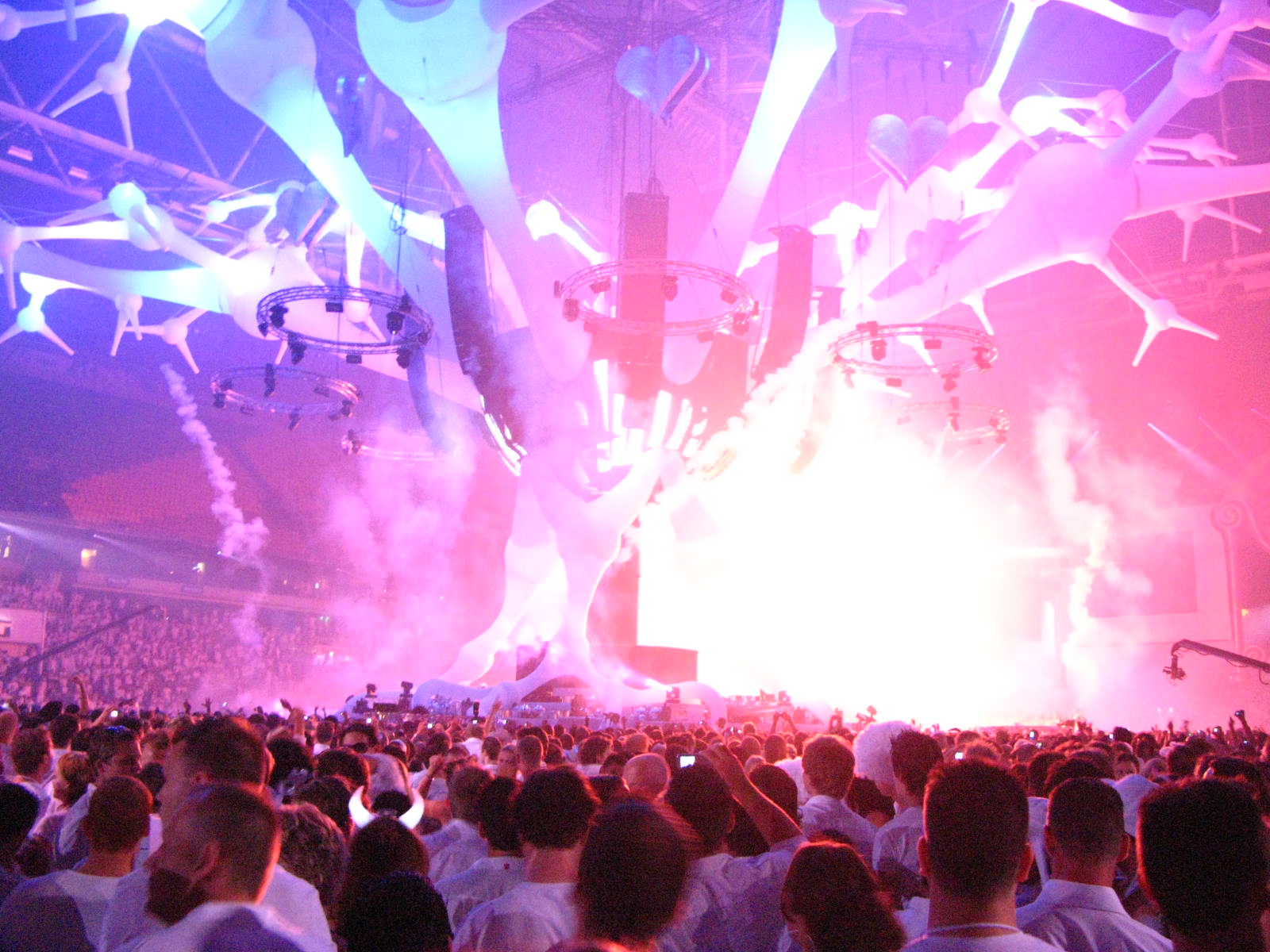
Electronic music festivals operate on a complex logistical and artistic framework. At their core is the curation of a lineup, balancing established headliners with emerging talent across various subgenres like trance, dubstep, and drum and bass. Production is paramount, involving massive stages with sophisticated lighting systems, pyrotechnics, and advanced sound engineering to deliver powerful audio experiences. Beyond the music, festivals often integrate visual arts, interactive installations, and performance art to create a multi-sensory environment. Site management includes ticketing, security, vendor coordination, sanitation, and transportation, often for tens or hundreds of thousands of attendees over several days. The technological backbone supports everything from cashless payment systems to live streaming and attendee engagement apps.
📊 Key Facts & Numbers
The global electronic music festival market is a multi-billion dollar industry. Major festivals like Tomorrowland in Belgium can attract upwards of 400,000 attendees over multiple weekends. Ultra Music Festival in Miami typically sees over 165,000 attendees. The average ticket price for a major multi-day festival can range from $300 to $600 USD, not including travel and accommodation. The economic impact extends beyond ticket sales, with significant spending on local hospitality, transportation, and employment. For instance, the Electric Daisy Carnival (EDC) in Las Vegas is estimated to generate over $300 million in economic impact for the region annually.
👥 Key People & Organizations
Key figures and organizations have shaped the electronic music festival landscape. Promoters like Pasquale Rotella, founder of Insomniac Events, have been instrumental in scaling events like EDC into massive productions. The Ultra Enterprises group, behind Ultra Music Festival, has established a global brand with editions in numerous countries. Organizations such as Awakenings in the Netherlands have built reputations for curating cutting-edge techno lineups. DJs themselves, like Tiësto, Armin van Buuren, and Skrillex, have become global superstars, headlining major festivals and influencing booking trends. The rise of dedicated festival platforms and ticketing services, such as Resident Advisor and Songkick, also plays a crucial role in discovery and access.
🌍 Cultural Impact & Influence
Electronic music festivals have profoundly influenced global youth culture, fashion, and social interaction. They act as secular gathering spaces, fostering a sense of community and shared identity among attendees, often referred to as 'PLUR' (Peace, Love, Unity, Respect). The visual aesthetics of festivals, from stage design to attendee fashion (often characterized by vibrant colors and unique self-expression), have permeated mainstream trends. Furthermore, these festivals have become significant platforms for artists, launching careers and solidifying the status of DJs as global entertainers. The economic model pioneered by these events has also influenced other entertainment industries, demonstrating the power of curated, immersive experiences. The global reach of festivals has also led to cultural exchange, introducing diverse audiences to electronic music subgenres originating from different regions.
⚡ Current State & Latest Developments
The current landscape of electronic music festivals is characterized by consolidation, technological integration, and a growing emphasis on sustainability. Major players like Insomniac Events and SFX Entertainment (though it faced bankruptcy and restructuring) have acquired numerous smaller festivals, leading to a more concentrated market. There's an increasing adoption of technologies like augmented reality (AR) for stage visuals and virtual reality (VR) for pre-event experiences or post-event recaps. Sustainability initiatives, addressing waste management, energy consumption, and carbon footprints, are becoming more prominent, driven by both attendee demand and regulatory pressures. The post-pandemic era has seen a strong resurgence, with many festivals reporting sold-out attendance and a renewed appetite for large-scale live music experiences.
🤔 Controversies & Debates
Electronic music festivals are not without their controversies. The commercialization of rave culture is another point of contention, with some purists arguing that the mainstream appeal and corporate sponsorship dilute the original underground ethos. Environmental impact is a significant debate, with critics questioning the true effectiveness of sustainability efforts against the backdrop of massive energy consumption and travel emissions. Furthermore, issues of artist compensation, diversity in lineups, and the gentrification of festival locations also spark ongoing discussions within the community.
🔮 Future Outlook & Predictions
The future of electronic music festivals likely involves deeper integration of AI and immersive technologies, potentially leading to hyper-personalized experiences or even AI-generated festival elements. Expect a continued push towards more ambitious sustainability practices, possibly including on-site renewable energy generation and circular economy models. The metaverse presents a significant frontier, with virtual festivals offering global accessibility and novel interactive possibilities, though the challenge remains in replicating the tangible communal energy of physical events. There may also be a trend towards more boutique, genre-specific festivals catering to niche audiences, alongside the mega-festivals. The economic model will likely continue to evolve, with potential for new revenue streams beyond ticketing, such as exclusive digital content and branded experiences.
💡 Practical Applications
Beyond entertainment, electronic music festivals serve as incubators for technological innovation and community building. The advanced audiovisual systems developed for festival stages often find applications in concert tours, theatrical productions, and even architectural lighting. The logistical challenges of managing large crowds and complex operations provide valuable case studies for event management professionals and urban planners. Furthermore, these festivals act as powerful marketing platforms for artists, record labels, and associated brands, driving discovery and consumption of electronic music globally. The social dynamics and community structures fostered at festivals can also offer insights into group behavior and social cohesion in large-scale public gatherings.
Key Facts
- Category
- culture
- Type
- topic