
Contents
Overview
The genesis of PCI Express (PCIe) can be traced back to the limitations of earlier parallel bus architectures, particularly the Peripheral Component Interconnect (PCI) bus, which struggled to keep pace with the increasing demands of high-performance components. Recognizing the need for a more scalable and efficient interface, the PCI Special Interest Group (PCI-SIG) began developing a new standard. PCIe marked a significant departure from parallel signaling to a serial, point-to-point connection model. This shift was inspired by advancements in Ethernet and SATA technologies, which had already demonstrated the benefits of serial communication for high-speed data transfer.
⚙️ How It Works
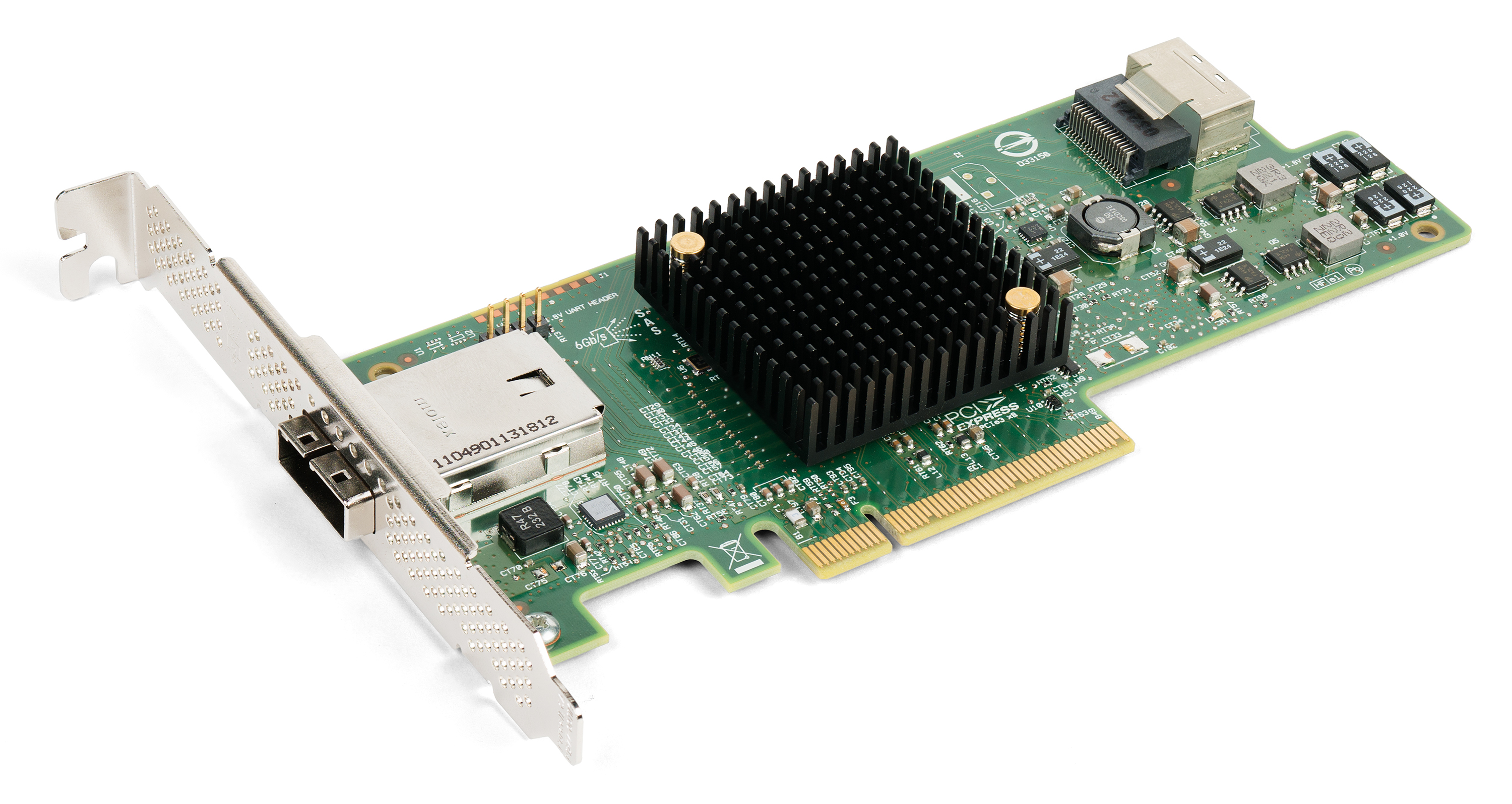
At its core, PCIe operates using a system of serial 'lanes.' A graphics card typically utilizes an x16 slot for maximum throughput, while a Wi-Fi card might use an x1 slot. Data is transmitted in packets, with robust error detection and correction mechanisms ensuring data integrity. The PCI-SIG defines the electrical and mechanical specifications, ensuring interoperability across different manufacturers and devices.
📊 Key Facts & Numbers
PCIe technology has seen dramatic performance increases with each generation. PCIe enabled the development of multi-GPU SLI and CrossFire configurations. PCIe's influence extends to external connectivity standards like Thunderbolt.
👥 Key People & Organizations
PCI Express has fundamentally reshaped the internal architecture of computing devices, moving away from the limitations of shared parallel buses to dedicated, high-speed serial links. This transition enabled the development of more powerful and specialized hardware, such as multi-GPU configurations and the widespread adoption of high-performance NVMe SSDs that saturate older SATA interfaces. Its influence extends to embedded systems and even external connectivity standards like Thunderbolt.
🌍 Cultural Impact & Influence
The future of PCIe is geared towards ever-increasing bandwidth and lower latency to support the demands of emerging technologies. PCIe is expected to continue evolving, incorporating features for improved power efficiency and enhanced AI acceleration. Beyond raw speed, future iterations may focus on more intelligent bandwidth management and Quality of Service (QoS) features to better handle diverse workloads in data centers and edge computing environments.
⚡ Current State & Latest Developments
PCI Express is the ubiquitous standard for connecting high-performance components within a computer. Its primary application is in desktop and laptop motherboards, where it hosts graphics cards for gaming and professional visualization, SSDs (especially NVMe SSDs) for fast storage, and network interface cards for high-speed internet connectivity. In servers and workstations, PCIe is critical for connecting accelerator cards for AI training and scientific simulations, high-speed network adapters, and sophisticated storage controllers. It also finds application in embedded systems and industrial PCs for specialized I/O requirements.
🤔 Controversies & Debates
The evolution of PCIe is intrinsically linked to the development of computer architecture and the relentless pursuit of performance. Understanding PCIe is crucial for anyone interested in PC building, server administration, or the inner workings of modern computing hardware. Related technologies include PCI, PCI-X, and AGP, which PCIe superseded, and Thunderbolt, an external interface that leverages PCIe protocols.
Key Facts
- Category
- technology
- Type
- topic