
Contents
Overview
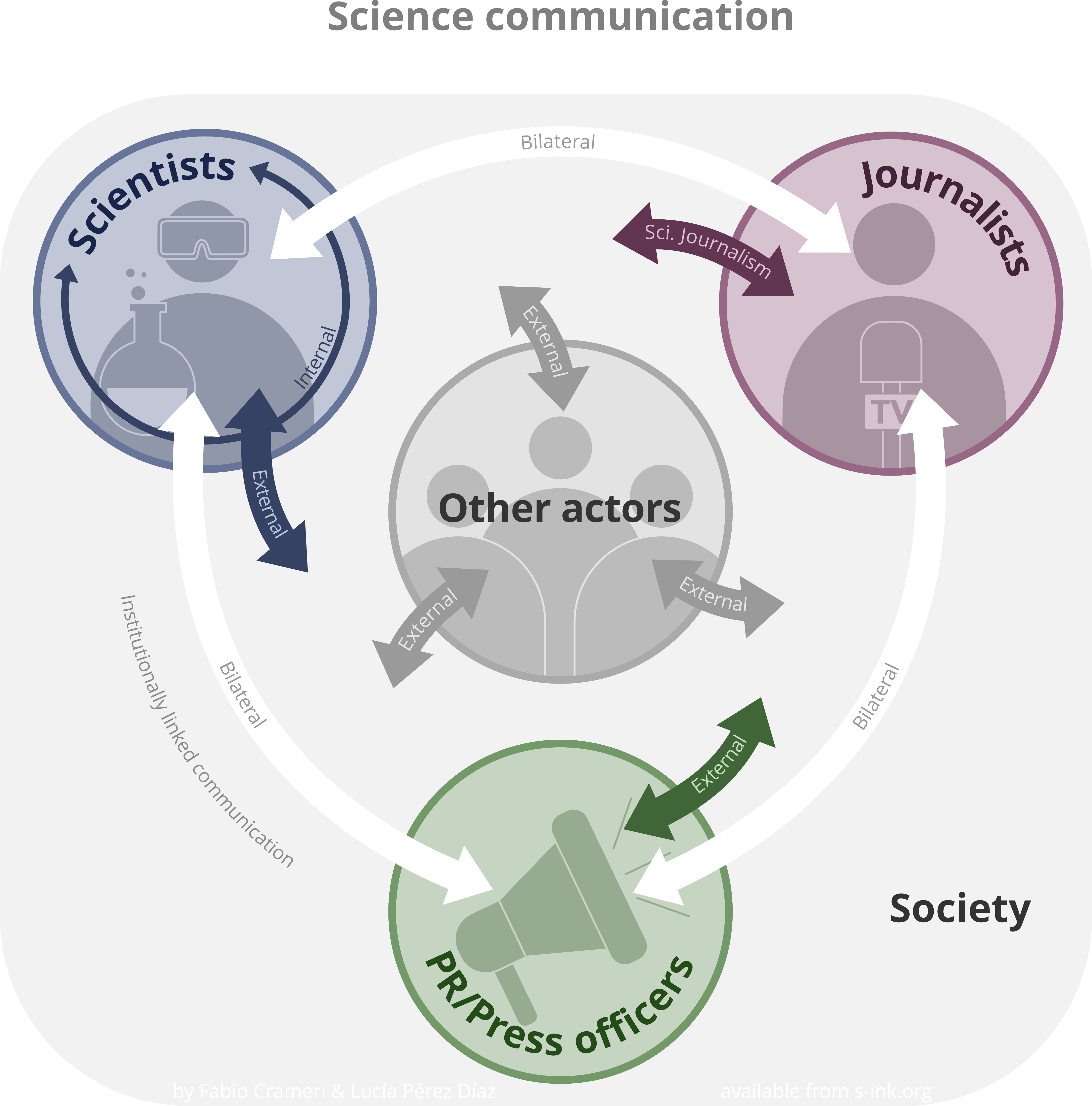
Science communication is the practice of making scientific knowledge and processes accessible and understandable to non-expert audiences. It encompasses a broad spectrum of activities, from journalism and museum exhibits to social media engagement and public policy advocacy, all aimed at fostering informed public discourse and engagement with science. The core objective is to translate complex scientific concepts, research findings, and their societal implications into formats that resonate with diverse communities, thereby promoting scientific literacy, trust in science, and informed decision-making. Effective science communication is crucial for navigating the ethical, political, and social dimensions of scientific advancements, ensuring that science serves the public good and that public values inform scientific endeavors.
🎵 Origins & History
Early efforts often focused on translating scientific jargon for the public through popular science books and journalism. Science communication involves a dynamic exchange of information, ideas, and values between scientists and various publics.
⚙️ How It Works
At its heart, science communication involves a dynamic exchange of information, ideas, and values between scientists and various publics. This process often requires scientists to adopt different communication strategies than those used in peer-to-peer scientific discourse, focusing on clarity, relevance, and engagement. It involves understanding the audience's existing knowledge, concerns, and values, and tailoring messages accordingly. The goal is not merely to disseminate facts but to foster understanding, critical thinking, and dialogue.
📊 Key Facts & Numbers
Globally, an estimated 80% of the public reports having some interest in science, yet only about 15% feel they have a strong understanding of scientific issues. The science journalism sector, a key component of science communication, sees thousands of articles published daily across major news outlets. Globally, science festivals now attract millions of attendees annually, indicating a significant public appetite for accessible scientific content.
👥 Key People & Organizations
Key figures in science communication include Carl Sagan, whose work on SETI and public outreach set a high bar for scientific engagement. Organizations like the AAAS (AAAS) play a crucial role through their Science Magazine and numerous professional development programs for scientists. The World Federation of Science Journalists (WFSJ) supports journalists globally, while institutions like the Cornell Lab of Ornithology have pioneered citizen science projects, engaging the public directly in research. Neil deGrasse Tyson has become a prominent modern voice, hosting StarTalk and influencing public discourse on space and science.
🌍 Cultural Impact & Influence
Science communication has profoundly shaped public perception of scientific endeavors, influencing everything from attitudes towards climate change and vaccination to interest in STEM careers. Miscommunication or a lack of effective communication has contributed to public skepticism and distrust, as seen in debates surrounding GMOs and vaccine hesitancy. The rise of social media has democratized science communication, allowing direct engagement but also amplifying misinformation.
⚡ Current State & Latest Developments
The current landscape of science communication is characterized by an explosion of digital platforms and a growing recognition of the need for inclusivity and equity. Initiatives like citizen science are increasingly leveraging public participation in data collection and analysis. There's a heightened focus on communicating uncertainty and the scientific process itself, moving beyond a simple 'deficit model' of information transfer. The COVID-19 pandemic underscored the critical importance of rapid, clear, and trustworthy science communication, while also exposing significant challenges in combating widespread misinformation.
🤔 Controversies & Debates
A central debate revolves around the 'deficit model' versus the 'engagement model' of science communication. The deficit model assumes the public lacks scientific knowledge and needs to be 'filled' with facts, while the engagement model emphasizes dialogue, co-creation, and understanding public values and concerns. The potential for science communication to be co-opted for advocacy or to oversimplify complex issues, potentially leading to public distrust if perceived as biased. The role of scientists in communicating controversial topics, such as climate change or public health interventions, remains a point of contention, with debates on whether they should remain neutral or take a more activist stance.
🔮 Future Outlook & Predictions
The future of science communication will likely be shaped by advancements in artificial intelligence for content creation and personalization, immersive technologies like virtual reality and augmented reality for experiential learning, and sophisticated data visualization tools. There's a growing emphasis on building trust through transparency and addressing public concerns proactively. Expect a continued rise in interactive platforms and a greater integration of science communication into educational curricula and policy-making processes. The challenge will be to ensure these advancements are used ethically and equitably, reaching diverse global audiences and combating the persistent threat of scientific misinformation.
💡 Practical Applications
Science communication finds practical application across numerous domains. In public health, it's vital for disseminating information on disease prevention, treatment efficacy, and public health policies, as demonstrated by campaigns from the WHO. Environmental science communication informs public understanding of climate change, conservation efforts, and sustainable practices, often involving collaborations with Greenpeace or The Nature Conservancy. In policy-making, it helps translate scientific evidence into actionable legislation, bridging the gap between researchers and lawmakers. Furthermore, it fuels educational initiatives, from Khan Academy's science modules to museum exhibits at institutions like the Smithsonian National Museum of Natural History.
Key Facts
- Category
- culture
- Type
- concept